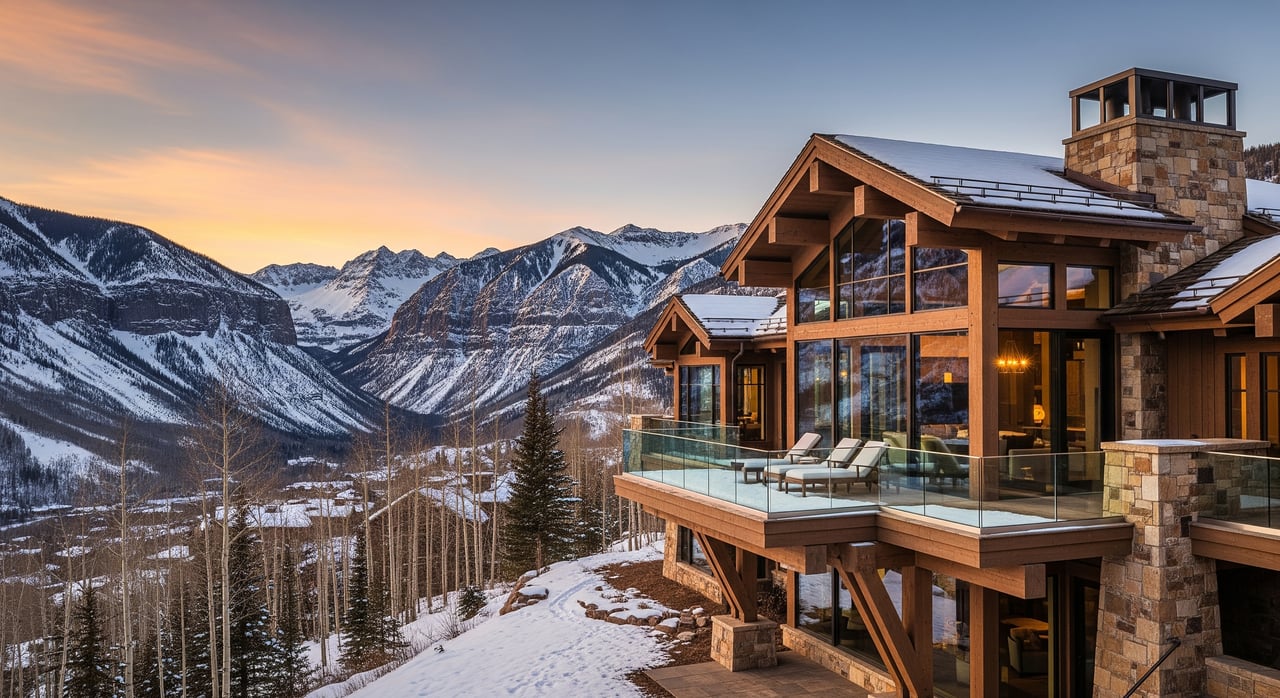
Shopping for a Telluride home and seeing prices above typical mortgage limits? If you plan to finance a higher-priced property, you’ll likely use a jumbo loan. That can feel complex, especially if you’re buying a second home or purchasing from out of state. In this guide, you’ll learn what jumbo loans are, how they work in San Miguel County, what lenders expect, and how to prepare so you can move forward with confidence. Let’s dive in.
Jumbo loans in Telluride
Telluride is a high-value mountain market where many homes and condos exceed standard conforming loan limits. When your loan amount is above the current Federal Housing Finance Agency conforming limit for a one-unit home, your mortgage is a jumbo (non-conforming) loan. Jumbo loans are not guaranteed by Fannie Mae or Freddie Mac, so lenders apply their own standards and often take a closer look at your profile, the property, and the valuation.
If you’re buying a primary residence, a second home, or a luxury condo in Telluride or Mountain Village, a jumbo loan may be the right tool to bridge the gap between your down payment and the purchase price.
How jumbos differ from conforming
Jumbo mortgages have a few key differences from standard conforming loans.
Underwriting standards
Lenders typically expect stronger borrower profiles for jumbos. You’ll see higher preferred credit scores, lower debt-to-income ratios, larger down payments, and more cash reserves. Some lenders keep jumbo loans on their own books, which gives them flexibility but also means they can add stricter rules.
Rates and pricing
Historically, jumbo rates have been slightly higher than conforming rates. Depending on market conditions and lender appetite, the spread can narrow or widen. It pays to compare quotes from lenders who are active in luxury mountain markets.
Mortgage insurance
Private mortgage insurance is less common with jumbo loans. Instead, lenders often look for higher down payments, especially on second homes or larger loan sizes.
Documentation and overlays
Expect full documentation and possible lender overlays. Portfolio and wholesale jumbo programs may require extra verification or more conservative guidelines.
Appraisal and valuation
Unique mountain properties can be challenging to appraise. In Telluride, limited comparable sales and seasonal activity can affect valuations, review times, and underwriting.
What lenders look for
Here are common jumbo expectations you can plan for:
- Credit score: 700 or higher is common, with 720–740+ preferred for best pricing.
- Down payment: Often 20% for primary residences; 25–30% or more for second homes or investment properties.
- Debt-to-income ratio: Many lenders want 43–45% or lower, sometimes tighter for very large loan amounts.
- Cash reserves: Plan for 6–12 months of PITI, with higher reserves for luxury or second-home purchases.
- Documentation: Full income, asset, and employment verification. Self-employed borrowers usually need 2 years of personal and business tax returns and profit-and-loss statements.
- Appraisal: A full appraisal is standard. Unique properties may require broader comp searches and more adjustments.
Telluride-specific factors that affect approval
Buying in a mountain resort adds a few local layers to jumbo underwriting.
Appraisals and limited comps
Telluride has many one-of-a-kind homes and custom condos. Your appraiser may need to use a wider geographic radius or make more adjustments if there are few recent comparable sales. In slower seasons, there may be fewer comps to support the value, which can extend timelines or prompt more review.
Property types and condo projects
- Single-family and ski-area homes: Generally financeable, but lenders want strong appraisals and evidence the property can be insured and accessed year-round.
- Condominiums: Many jumbo programs review the project’s financials, rental mix, HOA reserves, and litigation status. Some national lenders are selective about condo approvals in resort markets.
- Vacant land: Raw land is harder to finance and often requires higher down payments and shorter terms.
- Fractional or atypical ownership: These often face restrictions or special underwriting. Confirm lender acceptability early.
Second-home vs. investment/STR use
If you plan to use the home as a second residence, expect a higher down payment and, at times, a slightly higher rate than a primary residence. If the property will generate rental income, many lenders will treat it as an investment property, which typically means tighter rules and more equity. Always verify local zoning, HOA rules, and any short-term rental regulations before assuming rental income will help you qualify.
Insurance, access, and property risk
Insurability is a must. Mountain properties may face wildfire exposure or winter-access considerations. Lenders often ask for proof of suitable hazard and liability coverage before closing.
Title, easements, and assessments
Mountain parcels can come with unique easements, access agreements, or rights-of-way. Clean title and clear access matter to underwriters. Also confirm property taxes and any special assessments that affect carrying costs.
How to prepare for a jumbo mortgage
A little prep goes a long way in Telluride’s fast-moving market. Here’s a simple plan.
Get fully pre-approved
For jumbos, a full pre-approval is far stronger than a quick pre-qualification. Expect to provide tax returns, W-2s, pay stubs, bank statements, and asset documentation. Ask lenders about their experience with Telluride properties, their condo project process, and their appraisal partners.
Build your document file
Most jumbo lenders ask for:
- Two years of federal tax returns (personal and, if applicable, business)
- Recent pay stubs and W-2s for employed borrowers
- Two years of business returns and year-to-date P&L for self-employed borrowers
- Recent bank statements, plus statements for retirement, brokerage, or other assets
- Explanations for large deposits or non-recurring income
- Signed purchase contract, HOA documents for condos, and property insurance details if available
- Photo ID and authorization for credit and employment verification
Plan your reserves and down payment
Jumbo programs often require more reserves, especially for second homes or very large loans. While some programs allow gift funds for primary residences, many limit gift use for second homes or investments. Clarify acceptable sources of funds with your lender before you wire earnest money.
Set realistic timelines
Jumbo transactions usually take longer to underwrite than conforming loans. Plan for 30–45 days or more, depending on appraisal turnaround, condo reviews, and documentation. Because timelines can stretch, ask about rate-lock periods, float-down options, and the cost of extended locks.
Prepare for remote closing logistics
If you are buying from out of state, coordinate early. Arrange inspections and walk-throughs, plan for secure wiring, and use verified phone numbers to confirm instructions. Working with a lender, title company, and agent who routinely close in San Miguel County helps keep things moving.
Alternatives to a jumbo mortgage
There are strategies that can help you avoid or complement a jumbo.
- Conforming first + second mortgage: An 80/10/10 or similar structure pairs a conforming first loan with a smaller second or HELOC to keep the first below conforming limits.
- Portfolio lenders: Local or regional banks that hold loans on their balance sheet may offer flexible terms for unique properties or complex financial profiles.
- Bridge loans or construction loans: Short-term financing can help if you need to buy before selling or plan to build.
- Higher equity or all-cash: Many Telluride buyers pay cash or bring larger down payments, then consider financing later. Speak with your financial advisors about tax and liquidity impacts.
Special borrower situations
- Self-employed or high-net-worth: Some lenders offer asset-depletion or bank-statement programs to qualify based on assets rather than traditional income.
- Foreign nationals: Many lenders finance non-U.S. buyers, though programs often require higher down payments and carry distinct documentation.
- Interest-only and ARMs: Some jumbo programs offer interest-only periods or adjustable-rate structures. These can improve cash flow in the short term but carry payment risk later. Review the terms carefully.
Smart strategy in a seasonal market
Telluride’s market has seasonal swings. Appraisals and comparable sales can be tighter in the shoulder seasons, which may affect valuation. If you’re targeting a specific closing window, build extra time into your contract and rate lock. If you’re bidding in a competitive period, a strong pre-approval and clear proof of funds can improve your position.
Your next step
Jumbo financing in a mountain resort is all about preparation and the right team. Engage a lender early, get your documents in order, and work with a local advisor who understands valuation, condo approvals, access and insurance, and short-term rental rules. If you want a clear plan tailored to Telluride, Mountain Village, and the greater San Miguel County market, reach out to Mike Weist for local guidance and a buyer-first strategy.
FAQs
What is a jumbo loan and why is it common in Telluride?
- A jumbo loan is a mortgage above the current FHFA conforming limit; in Telluride, many homes and luxury condos exceed that threshold, so buyers often need jumbo financing.
What credit score and down payment do I need for a second home?
- Many lenders prefer 720–740+ credit for best pricing and 25–30% down on second homes, along with strong reserves and a conservative debt-to-income ratio.
How long does a jumbo loan take to close in San Miguel County?
- Expect 30–45 days or more, depending on appraisal timing, condo or project reviews, and how quickly documents and verifications are completed.
Can I use short-term rental income to qualify for a jumbo?
- Some lenders classify STR properties as investments, which usually means tighter rules and larger down payments; requirements for counting rental income vary by lender.
Why are Telluride appraisals sometimes challenging for jumbo loans?
- Unique homes, limited comparable sales, and seasonal activity can make valuations more complex, prompting broader comp searches and extra review.
Are interest-only jumbo options available for Telluride buyers?
- Some lenders offer interest-only jumbos and adjustable-rate options, but they come with specific qualification standards and future payment risks.