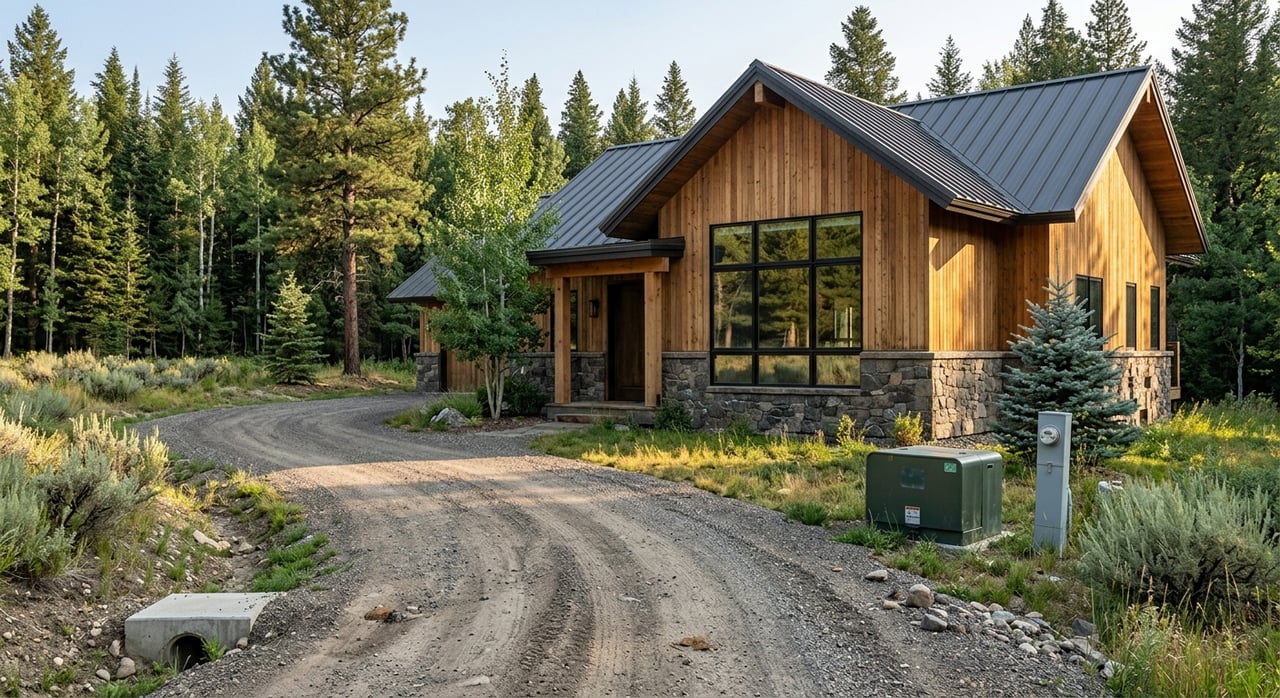
Buying land near Norwood can look simple at first glance. You see acreage, views, and room to build, and it is easy to assume the rest will fall into place later. In reality, the biggest questions usually come down to jurisdiction, access, and water, not just price per acre. If you are thinking about land in the Norwood area, this guide will help you focus on the details that matter most before you write an offer. Let’s dive in.
Start With Jurisdiction
One of the first things to confirm is whether the parcel falls under the Town of Norwood or San Miguel County. That single detail shapes the zoning rules, review process, utility expectations, and development standards that apply to the property.
San Miguel County says its land use code is online, effective June 3, 2025, and updated quarterly. The county also provides a GIS zone-district finder. The Town of Norwood maintains its own codes-and-plans library, including the land use code, zoning map, master plan, and emergency operations plan.
This matters because a parcel near Norwood may have a Norwood mailing address but still be governed by county rules. If you plan to build, subdivide, rezone, or explore annexation, you need to know exactly which rulebook controls the site before you make assumptions about what is possible.
Norwood also currently lists a 2025 emergency ordinance creating a temporary moratorium on medium and large scale development. If you are looking at a larger project, timeline assumptions should be verified early. A parcel that looks promising on paper may face a slower or more limited path than expected.
Check Zoning Before Pricing the Land
Zoning does more than describe allowed uses. It can affect setbacks, site design, review requirements, and whether a property is practical for your intended use.
If you are considering annexation, rezoning, or a multi-lot project, Norwood’s code expects the applicant to address issues like water rights, utility extension and undergrounding, land dedication, and requested zoning. In the Wright’s Mesa Source Water Protection Area, county rules also restrict certain higher-impact uses unless the Town of Norwood permits them.
That means land value is closely tied to what the parcel can legally support. Two similarly sized properties can have very different potential based on zoning, overlays, and approval pathways.
Access Can Change Everything
A parcel is not truly build-ready just because you can find it on a map. In San Miguel County, buyers looking at building or subdivision need to think about both the legal right to use an access road and the physical adequacy of that road.
The county reviews access roads and prefers existing roads when possible. If direct access comes from a state highway, an approved state highway access permit is required. The county also requires Road and Bridge permits before work in county road right-of-way.
This is why recorded easements and route details matter so much. A scenic parcel can become much more complicated if access is uncertain, shared, or physically difficult to improve.
Look Beyond a Simple Driveway
Driveway design can also be more involved than many buyers expect. County standards reference fire-district review, wildland-urban-interface measures, width and grade limits, and minimum clearance requirements.
In practical terms, a site that seems easy to reach in dry weather or on an aerial map may still require engineering, grading, or fire-related modifications. That can affect both your budget and your build timeline.
Town standards are also detailed. Norwood subdivision plats must show streets, alleys, easements, drainage, utility layouts, and contours, and the town says no building permit or certificate of occupancy may issue until applicable site-development standards are met.
So when you evaluate a parcel, think of access as part of the land itself, not just a construction issue for later. If access is weak, the entire project can become harder to finance, insure, or build.
Water and Septic Often Drive Cost
In the Norwood area, utility questions often determine the real cost of a property. This is especially true for parcels outside town services or for buyers considering a rural homesite, homestead, or ranch-style purchase.
Inside town service areas, municipal water service is subject to the Norwood Water Commission’s rules, and sanitary sewer service is provided by the Norwood Sanitation District. The town also publishes service and boundary maps, which helps you verify whether a parcel is actually inside those districts.
That last part is important. A Norwood mailing address does not automatically mean water or sewer service is available. Buyers should confirm district boundaries and not rely on assumptions.
Verify Sewer or Septic Early
If a parcel is outside sewer service, San Miguel County’s OWTS program regulates septic systems. The county says the 2025 revision to Colorado Regulation 43 became effective on June 15, 2025, and in most county areas a development permit is required before OWTS construction.
New or modified septic systems require a soil evaluation, engineer-stamped plans, independent review, and final environmental-health approval. The county also keeps septic records and notes that certified inspection reports can affect future property sales.
That makes early septic research a smart move. If records are missing, if a system needs replacement, or if the site has constraints, your total project cost can rise quickly.
A Well Is Not the Whole Water Story
If the parcel depends on a well, check the Division of Water Resources permit records as early as possible. The state says permit files can often be searched online and may include allowable uses along with construction and pump records.
Timing matters too. DWR says complete applications for new or replacement wells may take up to 49 days to review. If your closing or build schedule depends on a new or updated well permit, that review window can affect your planning.
It is also important to understand that Colorado water law works differently than in many other states. DWR explains that water rights follow a prior-appropriation system, and water-right applications are handled through the water courts.
For buyers, the practical takeaway is simple: a visible well head does not automatically prove legal or adequate water supply. A well permit, a water right, and usable water are related but not identical issues.
Subdivision Water Standards Matter
For some county projects, water supply evidence may need to show quality, quantity, and dependability. San Miguel County’s subdivision standards also say test wells may be required where wells are the source.
This can be especially relevant if you are buying land for multiple homesites, a ranch compound, or a more ambitious rural build. Water review is not just a box to check. It is often one of the main drivers of feasibility.
Site Conditions Matter More Than Acreage
Large acreage can be appealing, but raw size does not tell you how usable the land really is. San Miguel County’s standards explicitly consider topography, landslides, flooding, wildfire, wildlife habitat, and the legal and physical adequacy of access roads.
The Town of Norwood code likewise says prominent topographic features should be identified in site planning. In other words, slope, drainage, and site layout can influence much more than aesthetics.
A parcel with easier topography, simpler drainage, and more practical access may offer a smoother path than a larger tract with major constraints. That is one reason local, document-based due diligence is so important in this market.
Review Local Records Before Deadlines
The best land due diligence around Norwood is usually local and paper-driven. The county maintains septic records, DWR maintains well records and map tools, and the town publishes planning, zoning, water, and sanitation information.
That means a lot of useful information can be checked before inspection or contingency deadlines expire. Buyers who move early on records review often have a clearer picture of risk, cost, and timeline.
Useful local professionals may include a county planner, the county environmental-health office, a title company, a surveyor, a well or water-rights consultant, and a septic professional. When land is involved, the right team can save you from expensive surprises.
A Smart Norwood-Area Checklist
Before you buy land near Norwood, it helps to work through a practical checklist. The goal is not to overcomplicate the process. It is to make sure the parcel supports the way you actually want to use it.
Here are some of the most important items to confirm early:
- Confirm whether the parcel is in the Town of Norwood or unincorporated San Miguel County.
- Verify the zoning district and review any applicable overlays or special restrictions.
- Check legal access, recorded easements, and whether the road is physically adequate.
- Confirm whether the parcel lies inside the Norwood Water Commission and Norwood Sanitation District service boundaries.
- Pull well and septic records as early as possible.
- Review any wildfire, flood, topography, or source-water considerations.
- Confirm whether a moratorium or special review process could affect your intended use.
If you keep these items in focus, you will be in a much stronger position to judge true value. Around Norwood, the easiest land to own is often the land with the clearest path to access, water, and approvals.
Why Due Diligence Protects Your Budget
Many buyers start with acreage, views, and asking price. Those are important, but they do not always tell you what the property will actually cost to make usable.
A parcel with straightforward legal access and a clear water path can be much easier to finance, insure, and build on than a larger tract with uncertain road status, utility questions, or septic challenges. That is why careful due diligence is not just a legal exercise. It is part of understanding value.
When you approach Norwood-area land with local records, realistic questions, and a clear plan, you reduce guesswork. You also put yourself in a better position to negotiate with confidence and move forward on the right parcel.
If you are comparing land near Norwood and want a buyer-first perspective grounded in local due diligence, Mike Weist can help you evaluate the details that matter before you commit.
FAQs
What should you check first when buying land near Norwood?
- Start by confirming whether the parcel is governed by the Town of Norwood or San Miguel County, then verify the zoning district and any overlays or special restrictions.
Why does access matter for Norwood-area land?
- Access affects both legal use and buildability, and San Miguel County may require proof of legal access, physical road adequacy, permits for work in county right-of-way, and in some cases highway access approval.
How do you know if a parcel near Norwood has water and sewer service?
- You should verify whether the land is inside the Norwood Water Commission and Norwood Sanitation District service boundaries rather than assuming service based on a mailing address.
What should buyers know about septic systems near Norwood?
- For parcels outside sewer service, septic systems are regulated through San Miguel County’s OWTS program, and new or modified systems may require soil evaluation, engineer-stamped plans, independent review, and final approval.
Does an existing well guarantee legal water use near Norwood?
- No. In Colorado, a well permit, a water right, and actual usable supply are related but different issues, so buyers should review DWR records and not assume a visible well head answers the full question.
Are there extra considerations for larger land projects near Norwood?
- Yes. Annexation, rezoning, subdivision, utility extension, water issues, and current development moratoriums or special review processes can all affect timing and feasibility for larger projects.