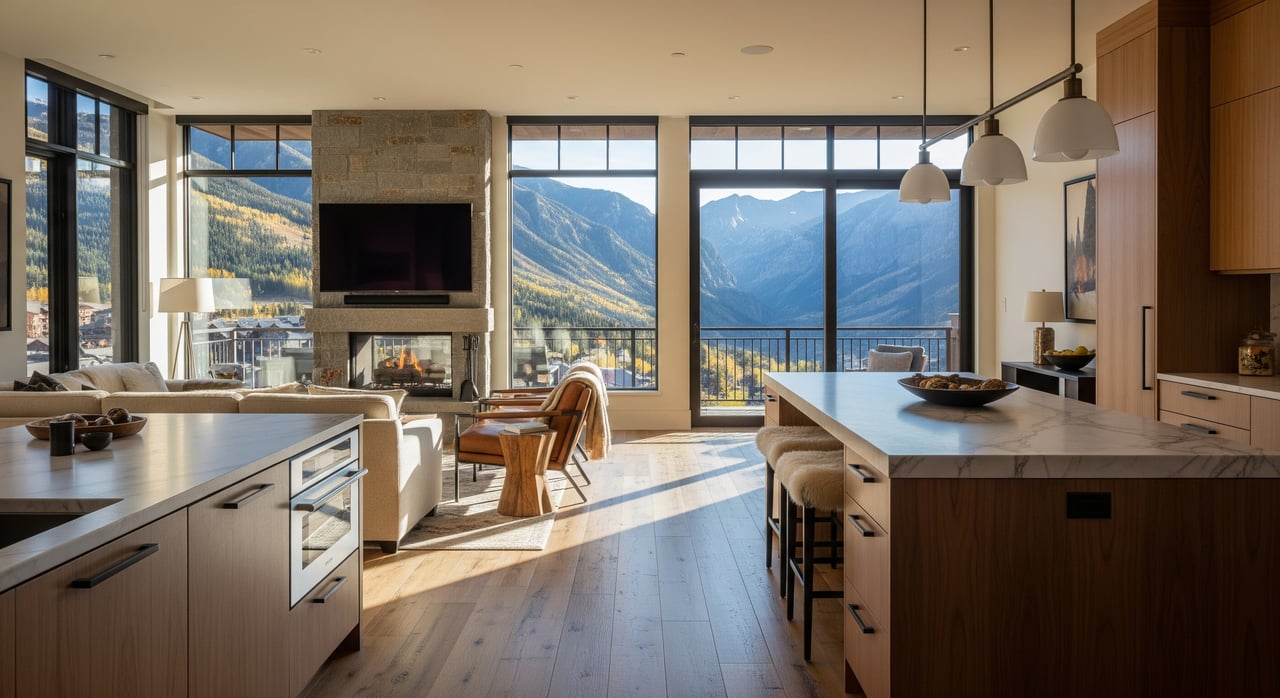
Listing your Telluride condo this winter or spring? Your list price will set the pace. In a resort market where two similar units can sell very differently, the right pricing plan helps you stand out to serious buyers and close with confidence. In this guide, you will learn how Telluride’s seasonality, condo-specific value drivers, and short-term rental rules should shape your number, plus a simple two-week launch plan to keep momentum high. Let’s dive in.
Know the Telluride condo market
Telluride is a second-home and resort market. Many buyers are cash or bring large down payments, and they are highly selective about ski access, walkability to downtown, views, building amenities, parking, and permitted rental potential. Two condos with the same square footage can command very different prices based on these factors.
Buyer visibility follows the seasons. Early winter and the pre-season window bring shoppers who want ski access lined up before or during ski season. Late spring into early summer attracts buyers planning for summer use and festival season. If you want a faster sale, aim to list 4 to 8 weeks before a major activity window so your condo is live when visitors are in town.
Before you choose a price, review a current market snapshot: active condo inventory, absorption over the last 60 to 90 days, price per square foot by building, recent days on market, and list-to-sale price ratios. Local MLS data and county transfer records are the best sources for these numbers. A data check right before you list keeps your price aligned with today’s reality.
Set your price the right way
Define your competitive set
Start with closed sales in your building and the three to six most comparable nearby buildings. Match the floor plan, square footage, beds and baths, parking rights, view orientation, ski access, furnishing status, and rental permit profile. This narrows the comps to the units your buyers are likely to compare side by side.
Time-adjust recent sales
If the most relevant sale closed a few months ago, adjust for any market movement since that date. In an active resort market, smaller time windows are best. The goal is to translate past prices into today’s conditions.
Adjust for condition and HOA factors
A full recent remodel, premium finishes, or upgraded systems can justify a meaningful adjustment upward. Higher HOA dues, upcoming special assessments, or restrictive policies tend to push value downward. Quantify these differences wherever possible, and disclose what dues include so buyers can evaluate them accurately.
Cross-check income potential
If your condo has a legal, transferable short-term rental permit and reliable revenue history, include an income approach as a secondary valuation check. A capitalization rate or revenue multiplier, supported by actual occupancy and net income records, helps investor and second-home buyers compare options.
Choose a price band, then your list price
Produce a realistic low-to-high range along with a target number. If speed is your priority, consider listing at a competitive market number that attracts the largest pool of qualified buyers and supports appraisal. Avoid testing a high premium if your goal is a quick sale, since it often leads to longer days on market and later reductions.
Local factors that move price
Gondola and ski access
Proximity to the gondola and true ski-in or ski-out status are major value drivers. Document access clearly, including walking times or shuttle details. Closer and more direct access usually commands a premium compared to longer walks or indirect routes.
Views and elevation
Unobstructed mountain or valley views typically increase value. Note the orientation and sun exposure, and identify whether the view corridor is protected or at risk of obstruction so buyers see the long-term picture.
Parking, storage, and convenience
Deeded parking or a garage spot is a strong positive, especially for winter. Ski lockers and owner storage also matter to out-of-town owners and renters. Lack of parking or leased-only options can reduce appeal and should be priced accordingly.
Furnishings and turnkey status
In Telluride, furnished and ready-to-rent units often sell for more, provided the furniture quality matches the price point and is included. Spell out what conveys and the condition of those items.
Building amenities
Locker rooms, hot tubs, onsite management, concierge, ski storage, and shuttle services can justify stronger pricing. Show how these amenities support both owner use and rental demand.
STR rules and permits
Short-term rental regulations differ between the Town of Telluride, Mountain Village, and San Miguel County. A condo with a transferable permit and strong rental history can attract investor demand and support value. Verify permit status, transferability, and past revenue, then disclose those facts clearly so buyers can underwrite with confidence.
Pre-listing analytics that speed up offers
Savvy buyers want proof. Providing a compact, data-backed packet helps them act quickly and supports appraisal later.
- Benchmark CMA: 3 to 5 closed comps plus 3 to 5 active and pending comps, with adjustments and a recommended list price range.
- Market snapshot: current inventory, recent days on market, list-to-sale ratio, and absorption for your price band and building type.
- STR memo: permit status, historical gross revenue and occupancy, and comparable cap rates for similar units.
- Carrying cost estimate: monthly HOA, property tax, insurance, utilities, and any financing costs to understand the cost of waiting.
- Appraisal support packet: documentation of upgrades, permits, HOA financials, and summarized comps.
Launch strategy for a faster sale
Prepare high-impact marketing in 7 to 14 days
Invest in professional photos, a detailed floor plan, and a 3-D tour to showcase layout and views. A pre-listing inspection or systems check reduces surprises and supports buyer confidence. Schedule a broker tour where possible so agents can preview and give feedback before your public launch.
Go live with a transparent, data-backed price
Publish a concise comp summary with your listing to show how you arrived at the price. If you are launching in a busy season, consider an offer review window to encourage multiple bids while giving you time to evaluate terms. Monitor showings and engagement closely during the first two weeks.
Watch the first two weeks, then adjust
If you see low showings and no credible offers after 10 to 14 days during a high-visibility season, consider a clear price reduction, typically 2 to 5 percent, paired with a marketing refresh. Avoid a sequence of tiny cuts that can signal seller fatigue.
Be flexible on terms
In a resort market, timing, furniture, and rentals can matter as much as price. Be open to closing and occupancy dates that fit buyers’ seasonal plans. Clarify which furnishings convey, and be ready to transfer future rental bookings if that strengthens your position.
Appraisal and financing readiness
Even in a market with many cash buyers, appraisals can limit financed purchases, especially when comps are scarce. Support your contract price by providing the appraiser with your comp summary, adjustment notes, HOA documents, a list of upgrades, and rental records if relevant. If an appraisal comes in short, be ready to respond with additional comps, a negotiation plan for covering gaps, or a measured price adjustment.
Simple pricing worksheet
Use this quick checklist to organize the details that impact price and speed:
- Address and unit number, building name and floor
- Square footage and source, beds and baths
- Parking rights, ski or gondola proximity and approximate walk time
- View description and sun exposure
- Furnishings included and condition
- HOA dues, what they include, and any special assessments
- Recent upgrades with dates and documentation
- STR permit status, historical gross revenue, and occupancy
- Recent closed comps with price per square foot and days on market
- Active and pending competition in your price band
- Recommended price range, target list price, and two-week adjustment plan
Common pitfalls to avoid
- Overpricing at launch, then chasing the market with multiple small cuts.
- Unclear STR rules or non-transferable permits that surface late in diligence.
- Surprise assessments, HOA litigation, or insurance changes not disclosed early.
- Skipping documentation that appraisers and buyers need to underwrite value.
Next steps
If you want to sell quickly without leaving money on the table, anchor your list price in the building-specific data that matters in Telluride. A focused prep window, a transparent pricing story, and a two-week monitoring plan will help you move decisively and attract the right offers. For a custom CMA and launch strategy tailored to your condo and timeline, connect with Telluride Mike for a friendly, no-pressure pricing consult.
FAQs
Best time to list a Telluride condo for speed
- Peak visibility is early winter for ski-season buyers and late spring to early summer for festival and summer-use buyers; aim to list 4 to 8 weeks before these windows.
How STR permits affect Telluride condo prices
- A legal, transferable STR permit with reliable revenue history can broaden your buyer pool and support value; verify permit rules and disclose accurate income data.
Pricing premium for ski-in or gondola access
- The premium depends on directness of access and comps within your building and neighbors; quantify with specific adjustments rather than a fixed percentage.
When to reduce price if showings are slow
- Reassess after 10 to 14 days; if activity is low, make one clear 2 to 5 percent reduction paired with a marketing refresh instead of multiple small cuts.
Does staging help Telluride condos sell faster
- Yes. Professional styling and photos that highlight layout, sleeping capacity, and view lines improve perception and support a faster, stronger offer.
Common deal killers in Telluride condo sales
- Unclear HOA or STR rules, unexpected special assessments, title complications, and appraisal gaps from limited comps are most common; proactive documentation reduces risk.