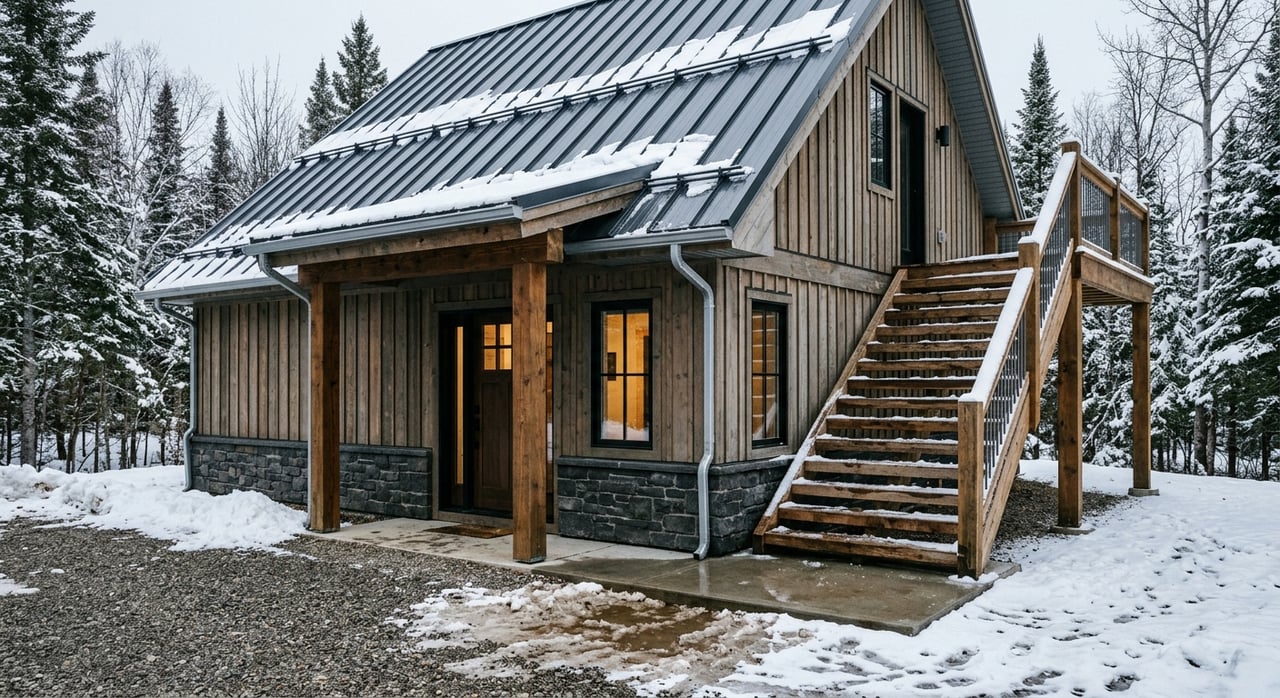
Dreaming about a quiet mountain cabin in Rico? It is easy to picture the snow outside, trail access nearby, and a place that feels worlds away from crowded resort towns. If you are thinking about a second home here, you need more than a great view. You need to understand access, utilities, winter conditions, and local rules before you buy. Let’s dive in.
Why Rico Appeals to Second-Home Buyers
Rico offers a very different experience from a typical Colorado resort market. The town’s regional master plan describes it as a historic mountain community focused on preserving its small-town character and compact mountain-hamlet pattern, while accommodating part-time residents and visitors.
That matters if you want a quieter ownership experience centered on the outdoors. Local use patterns include hiking, biking, backcountry skiing, cross-country skiing, snowshoeing, and summer and winter recreation that feels low-key and place-driven rather than resort-heavy.
For many buyers, that is the draw. You are not buying into a dense amenity package. You are buying into a small mountain town where the property itself, and how well it functions through the seasons, becomes a big part of the decision.
Rico Housing Is Small and Property-Specific
Rico has a very limited housing base. The latest Census profile in the research shows 259 housing units and 211 households, and the 2024 ACS profile puts the median value of owner-occupied homes at about $560,400.
In a market this small, broad averages only tell part of the story. Two cabins in the same area can have very different ownership realities based on road access, snow exposure, heating systems, drainage, water source, and site history.
That is especially important in Rico because planning documents note a legacy of mining-related environmental damage, including contaminated soils and water-quality impacts. If you are looking at an older property or a parcel with past disturbance, site history should be part of your due diligence.
Mountain Conditions Shape Every Purchase
Rico sits at 8,800 feet, and Dolores County reports average January temperatures of 21.7°F, average July temperatures of 57.8°F, and about 169 inches of snow annually. Those numbers help explain why a cabin here should be evaluated differently than a second home in a milder climate.
In practical terms, winter is not just a season. It affects your roof, heating system, plumbing, driveway, drainage, and how often someone may need to check on the home while you are away.
If you are buying from out of state or plan to use the home part-time, this is where a buyer-first approach matters. You want to understand how the property performs in January, not just how it looks in July.
Access and Road Maintenance Matter
Before you make an offer, confirm exactly how the property is accessed. Dolores County notes that large portions of unincorporated county land have limited public services, and buyers are encouraged to research fire protection before acquiring or developing property.
Road questions are just as important. You should verify whether the road is county-maintained, privately maintained, or effectively seasonal. You should also ask who handles snow plowing and whether the access is lawful and usable year-round.
This is not a small detail for a mountain second home. If access is limited during snow season, that can affect your insurance planning, maintenance schedule, emergency response expectations, and your actual ability to enjoy the home when you want to use it.
Water and Utility Assumptions Can Cost You
In a small mountain market, you should never assume utilities are straightforward just because a listing looks turnkey. The Town of Rico’s website reflects a small but functional local service network, not a full resort infrastructure.
The research also notes that a 2024 town ordinance said the town’s only operational drinking-water source was groundwater after the Silver Creek surface-water plant was shut down in 2015. For in-town properties, that means you should verify water service and utility details at the parcel level rather than relying on assumptions.
For any property, ask clear questions early:
- Is the home on town water, a well, or another source?
- Is wastewater handled by sewer or septic?
- Are there any known service limitations or maintenance issues?
- What systems need monitoring during freezing weather?
What to Inspect Before Closing
A standard home inspection is important, but Rico buyers should go further. Mountain conditions make some systems much more critical, especially for cabins and homes that may sit vacant for stretches of time.
Focus your inspection and due diligence on the parts of the home most exposed to weather, snow, and freeze risk. A local inspector with mountain-home experience can be especially valuable here.
Key cabin inspection points
- Roof condition and snow-load history
- Attic ventilation and insulation
- Plumbing winterization and freeze-damage risk
- Heating capacity and service history
- Drainage away from the foundation
- Crawlspace or basement moisture
- Backup heat options for vacancy periods
- Shut-down procedures for part-time use
- Remote monitoring options if the home will sit empty
These are not just maintenance details. In Rico, they are part of understanding whether a home is set up for reliable second-home ownership.
Soil, Septic, and Land-Use Rules
Wastewater and soil conditions should always be verified on a property-specific basis. In unincorporated Dolores County, land-use regulations require a sewage-disposal report when on-site disposal systems are planned, including subsoil information and soil-percolation testing.
Inside the Rico townsite, soil-management rules can also come into play. The research notes that the VCUP soil-management rules apply when someone excavates 1 cubic yard or more of soil, with certain exceptions such as fences, porches, septic soil testing, and emergency broken-water-line work.
Why does this matter to a second-home buyer? Because future plans like landscaping, utility trenching, driveway work, or additions may require more review than you expect. If you are buying with improvement plans in mind, you should understand the rules before closing, not after.
A Smart Rico Pre-Offer Checklist
In a market like Rico, due diligence starts before you are under contract. A simple pre-offer checklist can help you avoid surprises and focus on the homes that truly fit your goals.
Ask these questions first
- Is the parcel inside Rico town limits or in unincorporated Dolores County?
- Who maintains the road, and how is winter access handled?
- What is the water source?
- Is the wastewater system sewer or septic?
- Will planned improvements trigger soil-management or septic testing requirements?
- Who can check the home during winter absences?
These questions may sound basic, but they can shape both your ownership costs and your day-to-day experience.
Plan for Ownership, Not Just Purchase
A Rico cabin works best when you treat it like an operating system, not just a getaway. Dolores County information points to a small-service environment, which means preventive planning is part of responsible ownership.
A strong second-home plan usually includes trusted local contacts, snow-removal arrangements, seasonal shut-down and start-up procedures, periodic winter house checks, and a repair reserve for the kinds of issues that are harder to manage from afar.
If you will be an absentee owner, simple recordkeeping matters too. Dolores County’s treasurer says property-tax statements are mailed to the owner of record after January 1, and the treasurer does not make address changes. Keeping your mailing information current is one more detail that helps ownership run smoothly.
How to Buy a Rico Cabin With Confidence
The right Rico property can be a great fit if you value quiet, authenticity, and year-round outdoor access. But the best buying decision here usually comes from looking beyond the lifestyle image and focusing on how the property handles climate, access, utilities, and future maintenance.
That is where experienced local guidance can make a real difference, especially if you are buying remotely or comparing several mountain markets. A thoughtful buying process helps you match the right cabin to the way you actually plan to use it.
If you are considering a cabin or second home in Rico, Mike Weist can help you evaluate properties with a clear, local, buyer-first lens.
FAQs
What makes Rico different from a typical Colorado resort town?
- Rico is described in its regional master plan as a historic small mountain town that aims to preserve its compact character and accommodate part-time residents and visitors, rather than develop as a typical resort community.
What should you verify about road access for a Rico cabin?
- You should confirm whether the road is county-maintained, privately maintained, or seasonal, and ask who handles snow plowing and whether the property has lawful, usable access.
What utility questions matter most when buying in Rico?
- You should verify the water source, wastewater system, and parcel-specific utility setup rather than assuming service details from the listing.
What should you inspect in a Rico second home before closing?
- You should pay close attention to the roof, attic, insulation, plumbing winterization, heating system, drainage, and moisture conditions, especially if the home will be vacant for part of the year.
What land-use rules should Rico buyers watch for?
- Buyers should determine whether the property is inside Rico town limits or in unincorporated Dolores County, since septic, soil testing, and soil-disturbance rules can vary by location.
Why is ownership planning so important for a Rico second home?
- Rico’s small-service environment and snowy mountain climate make it important to plan for snow removal, house checks, seasonal shut-down procedures, and ongoing maintenance before you buy.