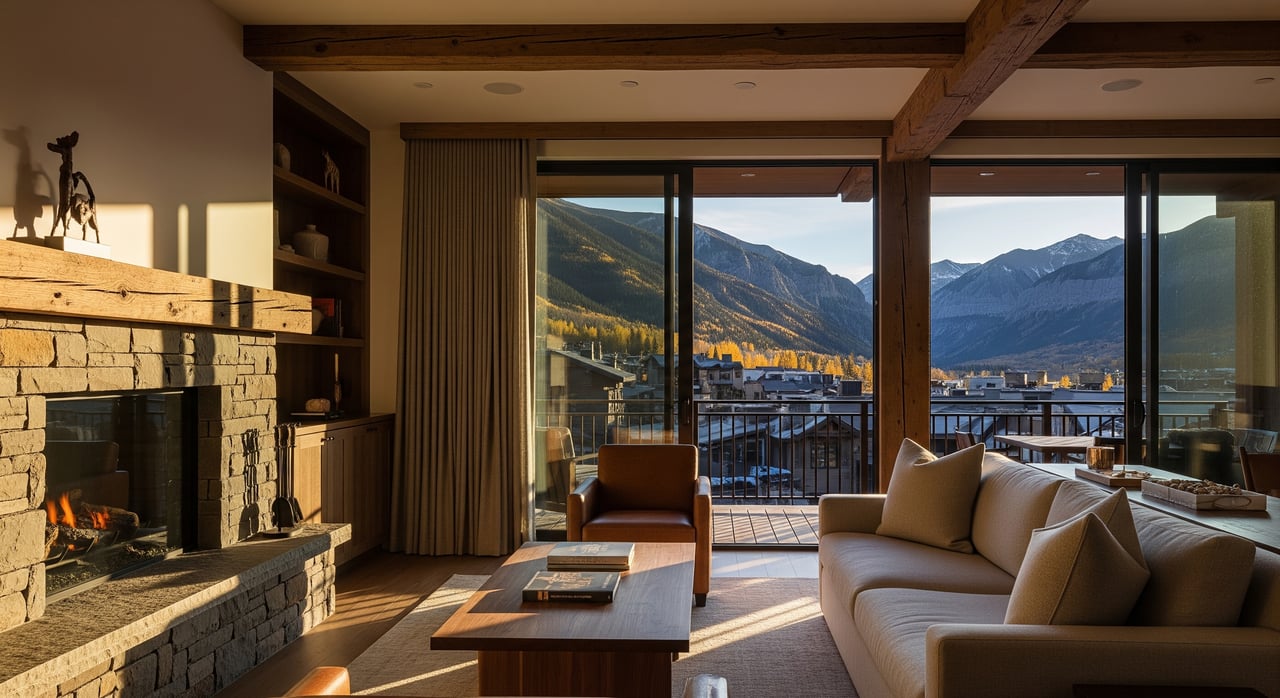
Shopping for a Telluride condo from another state can feel exciting and overwhelming at the same time. You want a place that fits your lifestyle and penciled‑out numbers, but you also need clarity on HOA rules, rental potential, and the remote buying process. In this guide, you’ll learn how Telluride condos are structured, what to look for in HOA documents, how rentals work, and a step‑by‑step path to evaluate and close from afar with confidence. Let’s dive in.
What to expect in Telluride condos
Common condo types
- Purpose‑built ski condos and condo‑hotels. These often include front desk services, on‑site rental desks, and bundled common area maintenance. They can be convenient for remote owners, though HOA and management fees may be higher and personal use may be more restricted.
- Standard residential condo complexes. These operate under a traditional HOA with owner control over rentals and use, subject to rules and local ordinances.
- Luxury mountain condos. Located in core areas or near ski access, these may offer premium finishes, deeded parking, storage, and elevated amenities.
- Mixed‑use and historic conversions. In‑town flats or lofts above retail spaces can offer a walkable lifestyle. Historic areas may carry added preservation or zoning considerations.
- Fractional ownership and timeshares. Less common than full ownership and very different in financing, resale, and usage.
Why building type matters
- Services and management. Condo‑hotels and managed buildings simplify remote ownership with housekeeping and booking, but policies and fees can be more complex.
- Access and logistics. Proximity to the gondola, shuttles, or Main Street can boost convenience and rental appeal.
- Parking and storage. Deeded stalls and ski or bike storage are major quality‑of‑life factors for second‑home owners.
- Financing and insurance. Lenders and insurers treat condo‑hotels, fractional interests, and standard condos differently.
Ownership and financing basics
Ownership structures
- Condominium regime. Most properties fall under a condo declaration with recorded CC&Rs and bylaws, subject to Colorado’s Common Interest Ownership Act. Rules govern use, governance, disclosures, and resale certificates.
- Condo‑hotel arrangements. Separate rental pool or management contracts may limit personal use and set rental terms.
- Fractional and timeshare agreements. Ownership and use are limited by contract and typically require non‑standard financing.
How lenders view condos
- Second‑home and investment loans. Expect stricter project reviews and larger down payments compared with primary residences. Work with lenders familiar with resort‑market condos.
- Condo‑hotels and fractional units. Some lenders will not lend or require specialty loan products. Pre‑qualify early and confirm the project’s eligibility.
HOA rules and documents to review
Must‑have documents
Request these before or at the offer stage:
- CC&Rs, Declaration, Bylaws, and Rules & Regulations
- Resale certificate or condo resale packet with budget, assessments, insurance, and legal notices
- HOA meeting minutes for the last 12–24 months
- Latest audited financials and current budget
- Reserve study and the history of special assessments
- HOA insurance summary, including coverage type and deductibles
- Any rental management or rental pool agreements
- Pending litigation disclosures
Financial health checkpoints
- Reserves. Low reserves for the building’s age or missing reserve studies can signal future assessments.
- Special assessments. Recurring assessments are a red flag.
- Dues and inclusions. High dues are not always bad if they cover heat, water, or services. Compare apples to apples.
- Delinquencies. High owner delinquency rates may indicate financial stress.
- Insurance. Large deductibles or poor coverage can shift costs to owners.
- Deferred maintenance. Look for issues mentioned in minutes or visible in recent photos.
Rental and use rules
- STR permissions. Confirm both HOA rules and local ordinances for short‑term rental eligibility.
- Minimum stays. Some associations or managers set minimum nights.
- Owner‑use restrictions. Condo‑hotel programs may have blackout dates or priority for the rental pool.
- Third‑party management. Some HOAs limit outside managers or subleasing.
Renting your condo: what to know
Demand drivers and seasonality
- Winter and festivals. Ski season and major summer events often drive the strongest rates and occupancy.
- Shoulder seasons. Off‑season periods draw outdoor visitors but may see lower demand.
- Building and location impact. In‑town vs Mountain Village, amenities, and unit quality can move occupancy and rate. Ask for unit‑level or comparable rental data.
Taxes, licensing, and compliance
- Local lodging taxes and registrations. Municipal and county requirements may apply for short‑term rentals. Confirm current rules and registration steps before listing your unit.
- State income tax for non‑residents. Rental income sourced to Colorado is generally taxable in Colorado. Speak with a CPA about filings and deductions.
- Sales or use tax on services. Housekeeping and similar services may be taxable. Clarify who collects and remits in any management contract.
Estimating rental potential
Request and evaluate:
- Historical rental revenue and occupancy for the unit or close comps
- Gross and net income after management, HOA, utilities, cleaning, and repairs
- Fee structures. Identify management, booking, platform, and maintenance markups
- Booking patterns. Understand lead times for peak periods like ski season and festivals
Remote buying workflow
Virtual evaluation tools
- Visuals. Ask for high‑quality photos, floor plans, 3D tours, and timed video walkthroughs.
- Live tours. A local agent can provide live video and focus on details like exterior conditions, mechanical closets, elevators, and locker rooms.
- Unit specifics. Request recent utility bills, rental ledgers, and photos of roofs, gutters, and common areas.
Due diligence and timelines
- Before offer. Gather the resale packet, rules, budget, reserve study, minutes, insurance summary, rental history, utility bills, and virtual tours.
- Contingencies. Aim for financing (21–30 days), HOA/doc review (5–10 business days), inspection (7–14 days), title review (10–14 days), and rental or hotel‑management contract review if applicable (7–10 days).
- Post‑inspection. Negotiate repairs or credits and consider escrow holdbacks for incomplete work.
Closing logistics from afar
- Title and legal. Use a Colorado title company or real estate attorney experienced in remote closings.
- Remote notarization and wires. These are common. Protect yourself by verifying wire instructions via known phone numbers with the title company. Never rely on emailed wiring info without confirmation.
Insurance and mountain risks
- What the master policy covers. Know whether the HOA policy is bare walls, walls‑in, or full replacement, and what interior coverage you need.
- Environmental exposures. Snow loads, freeze/thaw, ice dams, seasonal vacancy, and regional wildfire risk can affect coverage and claims.
- STR liability. Confirm whether your policy covers short‑term rental activity or if you need endorsements or a separate policy. Consider umbrella coverage for added protection.
Practical checklist
Use this to stay organized:
- Verify local STR rules and HOA rental permissions for your intended use
- Obtain the full resale packet, rules, budget, minutes, and a current reserve study
- Request unit‑specific rental history and utility bills
- Confirm deeded parking, storage, and any ski or bike lockers
- Secure a lender experienced with Telluride and project eligibility
- Hire a local inspector skilled in mountain‑condo issues
- Review insurance needs with an agent who understands HOA master policies and STR exposures
- Clarify property management terms in writing, including fees and tax remittance
- Confirm closing logistics, remote notarization, and wire procedures
- Consult a CPA on Colorado non‑resident income tax and lodging tax obligations
Key questions to ask
Listing agent or seller
- How long has the unit been rented and what were the last two years of gross and net rental figures?
- Is there a rental pool? What are the past three years’ occupancy and average rates for similar units?
- What do HOA dues include and which utilities are separate?
- Are any special assessments planned or in progress?
HOA manager or board
- Can you share the latest budget, reserve study, and meeting minutes?
- What is the dues delinquency rate and are there any active lawsuits?
- Are short‑term rentals allowed and are there minimum stays or owner‑use rules?
- What is the master insurance deductible and recent claims history?
On‑site rental manager
What are your management, booking, cleaning, and maintenance fees?
How do you market the unit and are bookings pooled or owner‑specific?
Who handles lodging tax registration, collection, and remittance?
Common pitfalls to avoid
- Assuming short‑term rentals are allowed without checking both HOA rules and local ordinances
- Overlooking parking, storage, or access details that affect day‑to‑day use
- Ignoring reserve shortfalls or recurring special assessments in HOA documents
- Failing to confirm insurance coverage for STR activity or vacancy requirements
- Underestimating seasonality, heating costs, and snow‑related maintenance
- Accepting rental projections without unit‑level historical support
Local pros to assemble
- A Telluride real estate agent with condo, HOA, and remote‑buyer expertise
- A Colorado title company or real estate attorney for closing and wire protocols
- A local home inspector experienced in cold‑weather buildings and water intrusion
- A lender comfortable with second‑home, investment condo, and condo‑hotel underwriting
- A property manager with established STR operations and clear financial reporting
- An insurance agent familiar with HOA master policies and STR endorsements
- A CPA who handles Colorado non‑resident returns and lodging taxes
Ready to explore condos?
If you want a clear, step‑by‑step path to the right condo, local guidance makes all the difference. From live video tours to HOA deep‑dives and remote closing coordination, you can move forward with confidence. Reach out to Mike Weist to discuss your goals and start seeing the best options for your lifestyle and budget.
FAQs
What should out‑of‑state buyers prioritize when evaluating Telluride condos?
- Focus on HOA health, STR permissions, deeded parking and storage, and unit‑level rental and utility history before you write an offer.
How do condo‑hotels differ from standard condos in Telluride?
- Condo‑hotels often include on‑site services and rental pools but may limit owner use and require different financing and insurance than standard condos.
What HOA documents are most important for remote buyers to review?
- Request CC&Rs, bylaws, rules, resale packet, budget, audited financials, reserve study, 12–24 months of minutes, insurance summary, and litigation disclosures.
How should I estimate rental income for a Telluride condo?
- Ask for unit‑level revenue and occupancy, compare with similar units, and analyze net income after management fees, HOA, utilities, cleaning, and repairs.
What insurance issues are unique to Telluride mountain condos?
- Confirm what the HOA master policy covers and address snow load, freeze/thaw, seasonal vacancy, and short‑term rental liability with your insurer.
Can I close on a Telluride condo without traveling to Colorado?
- Yes. Remote notarization, wire transfers, and couriered documents are common when you work with a Colorado title company and a local agent.